

A Tale of Two Cities Three Waterfronts
[Editor’s Note: while I know my hometown, Minneapolis, quite well, I’m less familiar with Miami and Malibu. What I know about the latter two is based on brief visits and articles I’ve read.]
While featuring different styles and sensibilities (not to mention very different climates), somewhat surprisingly, Minneapolis, Miami, and Malibu all share a dramatic amenity: miles of prime, waterfront property (along the Mississippi, Atlantic, and Pacific, respectively).
How these communities handle such issues as waterfront access and visibility offers a stark study in contrasts.
“The Minneapolis Model”: Public > Private
At one extreme, in Minneapolis, the choicest land bordering the river is all public: it consists of easily (and freely) accessed walking and biking trails, dramatic public works (“the Stone Arch Bridge”), and acres of clean, well-kept city parks.
Next closest to the River are frontage roads and boulevards for car traffic.
Finally, set back as much as one-quarter mile from the River, are high-rises chock-full of million dollar condo’s and rentals (with lots more under construction).
Public < Private Property
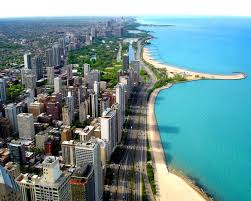 By contrast, in Miami, wall-to-wall beachfront high-rises effectively block the public’s view of the beaches and ocean.
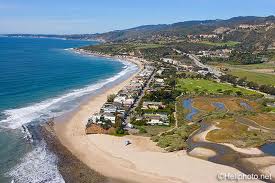
Meanwhile, beachfront homes in Malibu present a lower profile but equally effective barrier:
“By state law, California beaches are public property. But the beachfront homes in Malibu tend to be crammed together, making it impossible to catch even a glimpse of long stretches of the beach, much less walk onto it.
There are 17 public access ways to the Malibu coastline. Under state law, there should be more than 100. The last time one was opened was in 2005.”
–“An App Shows the Gaps in Malibu’s Beachfront Wall“; The New York Times (6/13/2013)
The Most Potent Property Right
All of which serves to underscore what I think of as the most potent property right: the right to exclude.
When people think of property rights, they typically think of what lawyers call “quiet enjoyment” — that is, the owner’s right to use their property as they see fit.
“A (wo)man’s home is their castle,” right?
 Less well-known, however, is that property rights are actually conceived of as a bundle of rights (sticks), including the right to alienate (sell or give away); the right to mortgage (borrow against); plus the right(s) to subdivide, lease, etc.
In total, there are something like 23 discrete sticks in the property rights “bundle.”
Real Estate (& Other) Values
Private property owners’ right to exclude the public from their property should of course be respected.
But no one should be allowed to appropriate — for themselves — such public treasures as the Mississippi, or the waterfront and beaches in Miami and Malibu.
There!
Happy 5th of July!
